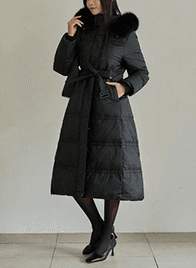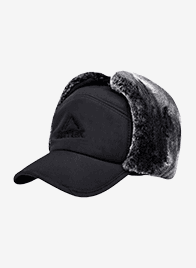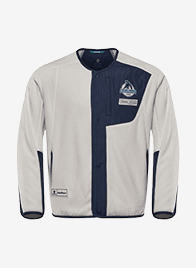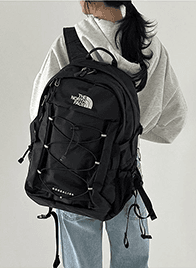
As global interest in Korean culture surges through K-pop, dramas, and film, attention is also turning to Korean consumer brands. Matin Kim, a rising star in K-fashion, is riding that wave with rapid growth and global expansion.
“Overseas consumers are curious about what Koreans are wearing,” said Lee Jun-seong, head of brand strategy at Hago Haus, which operates the fashion brand Matin Kim. “You must first gain popularity and credibility in Korea to succeed internationally.”
Founded in 2018 by designer and influencer Kim Da-in, Matin Kim was acquired in 2021 by Hago Haus, a brand investment arm under Daemyung Chemical. The brand’s annual sales grew from one billion won in 2018 to 50 billion won in 2022, doubled to 100 billion won in 2023, and reached 150 billion won last year. It now targets 200 billion won in sales this year.
“Overseas consumers are curious about what Koreans are wearing,” said Lee Jun-seong, head of brand strategy at Hago Haus, which operates the fashion brand Matin Kim. “You must first gain popularity and credibility in Korea to succeed internationally.”
 |
Lee Jun-seong, head of brand strategy at Hago Haus /Courtesy of Hago Haus |
Founded in 2018 by designer and influencer Kim Da-in, Matin Kim was acquired in 2021 by Hago Haus, a brand investment arm under Daemyung Chemical. The brand’s annual sales grew from one billion won in 2018 to 50 billion won in 2022, doubled to 100 billion won in 2023, and reached 150 billion won last year. It now targets 200 billion won in sales this year.
Matin Kim has continued to grow even after founder Kim stepped away from management in 2023. The key lies in Hago Haus’s model of hands-on brand incubation. Beyond investment, the company deploys seasoned talent—many from major conglomerates—to restructure and scale each brand’s operations, workforce, and finances. Its support also includes offline channel development. Roughly 40 brands, including Depound and Uniform Bridge, are being nurtured under this system.
The brand is also expanding abroad, opening stores in Japan, Hong Kong, Taiwan, and Macau. On March 24, Matin Kim launched its first Japanese store at Miyashita Park in Shibuya, Tokyo. Over the first three days, 4,000 customers visited, generating 320 million won in revenue. Its main customers were women in their 20s and 30s. According to Musinsa, which handles Matin Kim’s distribution in Japan, the store exceeded its sales target by more than double.
This year, Matin Kim is pushing aggressively into global markets. It has collaborated with U.S. luxury brand Coach, popular among Gen Z and millennials, and ran ads for Netflix’s hit series “Squid Game” Season 2. The brand plans to expand into 30 countries through intensified global marketing.
ChosunBiz met with Lee Jun-seong at Hago Haus headquarters in Pangyo on April 30 to discuss Matin Kim’s growth strategy. Lee, formerly a brand strategist at Shinsegae International, joined Hago Haus in August 2023. Below is the interview Q&A with Lee.
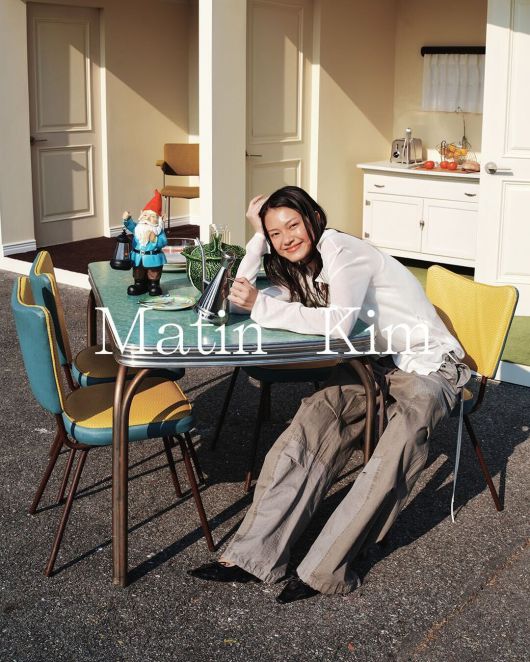 |
Matin Kim's 2025 summer campaign photoshoot. /Courtesy of Hago Haus |
The Shibuya store opened to a strong response. Was this expected?
“We had high expectations based on four previous pop-up stores in Japan, which all saw long lines and positive reactions. For example, our pop-up at Shibuya Parco last year drew over 3,000 visitors on opening day. Still, the turnout this time exceeded expectations. On opening weekend, people waited over two hours to enter.”
What’s driving Matin Kim’s appeal in Japan?
“The Korean Wave definitely plays a role. As overall interest in Korea grows, so does attention to visible trends like cosmetics and fashion. Our flagship store in Seongsu also helped a lot. After the pandemic, tourists from various countries started visiting, and the brand gained exposure organically.
The product itself also drew interest. In Japan, local brands are often expensive and somewhat dull, but Matin Kim offers trendy yet approachable designs at a more accessible price. That resonated with consumers in their 20s and 30s.
We’ve heard people say they haven’t seen clothes this stylish at this price in Japan. What’s interesting is that we didn’t use big-name models, ads, or influencer promotions. Still, people started following the brand just because they thought it looked cool. I’ve also heard that department stores in Japan and Taiwan want to bring Matin Kim into their trendier spaces.”
How do overseas consumers differ from Korean ones?
“Differences are subtle, but foreign customers tend to be more focused on clothing. In Korea, sales are evenly split between apparel and accessories. In Hong Kong, for example, clothing sells better. We’re adapting to each market’s specific preferences.”
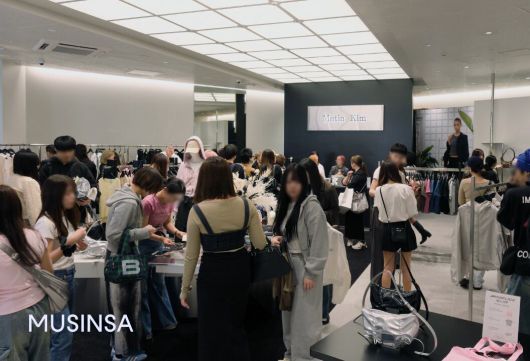 |
Japanese customers shop at the Matin Kim store, which opened in Shibuya, Tokyo on April 24. /Courtesy of Musinsa |
What do you think is the core strength of K-fashion?
“In the past, fashion was shaped by a few global brands and their seasonal collections. But now, Korean fashion has carved out its own identity. There is a certain nuance that is hard to define but clearly noticeable. Even with similar blouses or pants, Korean designs have a subtle edge and distinctive details that set them apart.
Our staff in their 20s say Matin Kim clothes have that subtle but stylish difference when worn, which creates an undefinable charm. That’s part of the appeal for young consumers who don’t want rigid labels.
Our design team operates with creative freedom. Unlike typical national brands where designers wear luxury labels, all 10 of our designers wear only Matin Kim. As fans of the brand themselves, they create clothing they want to wear, which naturally appeals to peers in the same age group.”
Matin Kim is going global this year. What’s the strategy?
“Brands often start online, then expand to offline stores before entering regional and global markets. Following this typical brand lifecycle, moving toward global expansion is a natural next step. Earlier this year, we collaborated with U.S. fashion brand Coach. Coach, popular among the younger generation in the U.S., wanted to expand its influence in Asia by partnering with Matin Kim, which has a strong following among Asian Gen Z consumers. Coach made bags, we made clothes, and the collection sold out quickly.
Following the collaboration, we ran ads on Netflix’s ‘Squid Game’ Season 2 and on 133 Korean Air flights covering 34 countries. It might seem unusual for a brand with no overseas stores or recognition to run global ads. After the Coach collaboration, social media reactions questioned, ‘What even is Matin Kim to collaborate with Coach?’ But we believe marketing can introduce the brand to global consumers and accelerate our entry into international markets.
In fact, since the Coach collaboration and Netflix ads launched in January, visits to Matin Kim’s overseas website increased by 218%, and overseas sales rose 207%. In the past, Korean brands often opened physical stores first and pushed forced reactions, which often failed. Our plan is to create interesting global buzz first, then enter overseas markets based on the response.”
 |
Matin Kim's limited edition collection released last December in collaboration with U.S. luxury brand Coach. /Courtesy of Hago Haus |
What do you think is key for K-fashion to succeed overseas?
“The most important thing is doing well and becoming popular in Korea first. No brand has succeeded overseas without a strong presence at home. I remember when we were in Eastern Europe, our model was a foreigner, and a local said, ‘We want to see how regular Koreans actually dress.’ Foreigners are curious about real Korean style.
From what I see overseas, K-fashion has real potential globally. Many places in Europe, the heart of fashion, haven’t seen much Korean fashion yet. But with K-pop’s big fanbase, more people are paying attention to what K-pop stars wear.”
Some say K-fashion lags behind K-beauty and K-food.
“That’s because of structural limits in the fashion industry. Fashion faces challenges like body shape, sizing, seasonal changes, and fast trend cycles. Since clothes are designed for Korean consumers, they’re more easily accepted across Asia, but expanding beyond that takes more careful planning. Accessories help overcome these limits. At Matin Kim, accessories make up about half the business, which eased our entry into global markets. Bags and wallets don’t depend on size or fit and sell longer. We also have many male customers buying accessories originally designed for women.”
Are there plans to expand into new categories like cosmetics?
“Matin Kim launched cosmetics in 2023, but the brand has grown so fast that for now, we’re focusing on our core business. I’ve worked on beauty brands before, and the success formula for cosmetics is very different from fashion. It looks simple but is actually more complex. Still, we’re open to expanding in the long run. For example, we introduced a menswear line last year after noticing many men buying our women’s t-shirts, windbreakers, and caps.”
What is your ultimate goal?
“As a brand, our goal is for people worldwide to know and wear Matin Kim. We share a strong commitment to representing K-fashion on the global stage. Brands like Depound, Treeming Bird, and Uniform Bridge plan to follow Matin Kim’s path to success.”
[Kim Eun-young]
- Copyrights ⓒ 조선일보 & chosun.com, 무단 전재 및 재배포 금지 -
 이 기사의 카테고리는 언론사의 분류를 따릅니다.