![[Getty Images Bank]](https://thumb.zumst.com/530x0/https://static.news.zumst.com/images/90/2026/01/18/368d4c78fde841c992c3b0027ab20b0d.jpg) |
[Getty Images Bank] |
SEOUL, January 18 (AJP) - As the Lunar New Year holiday approaches next month, luxury hotels and major retailers in South Korea are aggressively targeting a niche but rapidly growing market: the "to-go" ancestral rite table. The hospitality industry is capitalizing on a significant cultural shift where families are increasingly willing to pay a premium to outsource the labor-intensive cooking required for the holiday, turning a domestic duty into an affordable service.
The ritual, known as "Charye," is a traditional Confucian memorial service held on the morning of the Lunar New Year. Families gather to set a table laden with specific offerings—including meats, fruits, vegetables, and rice cakes—to honor deceased ancestors and seek their blessing for the household's health and prosperity. While deeply rooted in Korean culture, the practice requires days of meticulous cooking and preparation, a responsibility that has traditionally fallen heavily on the women of the household.
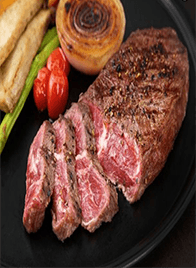
Recognizing the growing fatigue with these demands, major establishments, including JW Marriott Dongdaemun Square, Fairmont Ambassador Seoul, and The Plaza, have rolled out "Charye To-Go" packages for the upcoming holiday. According to industry reports released Sunday, these sets range in price from approximately 200,000 won ($135) to 600,000 won and offer complete rite tables featuring dozens of required dishes such as "jeon" (pan-fried delicacies), "galbijjim" (braised short ribs), and dried fish, all prepared by professional chefs.
The trend has evolved beyond simple convenience to include "star power" marketing. This year, the influence of the hit Netflix cooking competition "Culinary Class Wars" has reached the ritual table, with Mayfield Hotel Seoul launching a premium "Sechan" set overseen by head chef Lee Keum-hee, a contestant from the show's second season. Retailers noted that while sales of these packages dipped slightly after the height of the COVID-19 pandemic, demand has stabilized and is now driven by a loyal customer base seeking to balance tradition with modern lifestyles.
This commercialization of the rite is a direct response to the growing economic and social burden of the tradition. Data from the Korea Agro-Fisheries & Food Trade Corporation indicates that South Korean families must spend an average of 380,000 won at supermarkets to prepare a single Charye table, a cost that continues to rise annually due to inflation. This combination of labor intensity and rising food prices has soured public sentiment toward the ritual, leading many to seek alternatives or abandon the practice altogether.
A survey conducted by Sungkyunkwan, the country's oldest Confucian institute, revealed that approximately 56 percent of South Koreans plan to stop holding memorial rites entirely. Respondents cited the "burden of food preparation" and the belief that the practice is "outdated" as primary reasons for opting out. For those unwilling to completely abandon their heritage, the hotel-made rite table has emerged as a compromise, allowing families to maintain the ceremonial form without the kitchen stress.
Park Sae-jin Reporter swatchsjp@ajunews.com
- Copyright ⓒ [아주경제 ajunews.com] 무단전재 배포금지 -
 이 기사의 카테고리는 언론사의 분류를 따릅니다.


![유명 아역 출신 배우, 뺑소니 사고로 사망..향년 33세 [Oh!llywood]](/_next/image?url=https%3A%2F%2Fthumb.zumst.com%2F256x144%2Fhttps%3A%2F%2Fstatic.news.zumst.com%2Fimages%2F29%2F2026%2F01%2F18%2F2c366d0d0b92436f8eeb6c071b394fe5.jpg&w=384&q=100)