
 |
인도의 SDG5 이행 전략은 차별과 유해 관행(아동 결혼, 성선별 관행) 근절, 폭력·인신매매·성착취 예방, 무급 돌봄·가사노동의 인정, 여성의 정치·경제적 의사결정 참여 확대, 성·재생산 건강과 권리 보장, 그리고 실질적 평등을 뒷받침하는 법·제도 강화까지 포괄하는 광범위한 의제를 포함한다. |
 |
유엔 지속가능발전목표(SDG) 5는 모든 국가에서 여성과 소녀의 성평등을 달성하고 역량을 강화하는 것을 핵심 목표로 삼는다. 인도의 맥락에서 성평등은 단일한 문제가 아니라 사회·경제·제도·문화가 교차하는 다차원적 과제로 존재해 왔다.
이에 따라 인도의 SDG 5 이행 전략은 차별과 유해 관행(아동 결혼, 성선별 관행) 근절, 폭력·인신매매·성착취 예방, 무급 돌봄·가사노동의 인정, 여성의 정치·경제적 의사결정 참여 확대, 성장·재생산, 건강과 권리 보장, 그리고 실질적 평등을 뒷받침하는 법·제도 강화까지 포괄하는 광범위한 의제를 포함한다. 최근 인도의 정책 기"는 과거 복지 중심 접근에서 벗어나, 권리와 역량(capability)에 기반한 패러다임으로 이동하며 성평등을 도덕적 과제이자 포용적 성장의 전제"건으로 재정의하고 있다.
지표로 확인되는 변화: 인도의 SDG 이행 구"
인도의 특징은 성과 측정과 책임성을 제도화했다는 점이다. 인도 국가개혁위원회(NITI Aayog)가 개발한 SDG 인디아 지수에 따르면, SDG 5 점수는 2018년 36점에서 2023~24년 49점으로 상승했다. 같은 기간 인도의 전체 SDG 점수도 66점(2020~21)에서 71점(2023~24)으로 개선돼, 성평등의 진전이 국가 발전의 전반적 흐름과 결합돼 있음을 보여준다. 주(州) 간, 농촌·도시 간 격차는 여전히 존재하지만, 성인지적 거버넌스와 증거 기반 정책이 점차 정착되고 있다는 평가가 나온다.
교육: 성평등의 토대
교육은 인도 성평등 진전의 가장 중요한 동력이다. 지난 수십 년간 문해율은 꾸준히 상승했고 성별 격차도 줄어들었지만, 2020년 기준 남성 문해율이 여성보다 약 13%포인트 높은 현실은 여전하다. 다만 취학률과 등록률에서는 더 큰 변화가 나타났다. 최근 수년간 초등부터 고등교육 단계까지 여학생 등록률이 남학생을 상회하며, 교육 접근성과 가정 내 인식 변화가 함께 작동하고 있음을 시사한다.
문제는 '유지율'이다. 2022~23년 기준 초·중등 단계 중도탈락률은 7%를 넘고, 중등 단계에서는 15% 내외까지 상승했다. "혼, 안전 문제, 가사·돌봄 부담, 경제적 제약이 주요 원인으로 지목된다. 그럼에도 2023~24년 전 교육 단계에서 여성 총취학률(GER)이 남성을 웃돌았다는 점은, 여성의 교육 열망과 장기적 잠재력이 확대되고 있음을 보여준다.
여성의 경제 참여: 양적 확대와 질적 과제
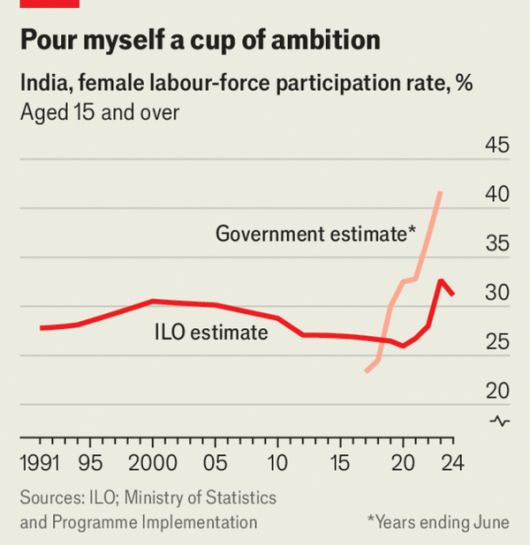 |
여성 노동참여율은 2017~18년 이후 약 79% 증가해 2023~24년 37.1%에 도달했고, 성별 격차도 완화됐다. |
여성 경제활동 지표는 분명한 상승세를 보인다. 여성 노동참여율은 2017~18년 이후 약 79% 증가해 2023~24년 37.1%에 도달했고, 성별 격차도 완화됐다. 임금 지표 역시 완만하지만 개선됐다. 정규 임금 노동자의 여성 대비 남성 소득 비율은 2018~19년 0.74에서 2022~23년 0.76으로 상승했다. 15~59세 여성의 노동참여 비율 역시 빠르게 개선되고 있다.
그러나 고학력 여성에게 노동시장은 여전히 불리하다. 대졸·대학원 졸업 여성의 실업률은 남성의 거의 두 배에 달한다. 이는 교육 성취와 노동시장 수요 간 불일치, 직종·산업 분리, 안전·이동성 제약, 고용주 편견 등 구"적 요인에서 비'된다. 진전이 부정되는 것이 아니라, 다음 단계 정책양질의 일자리 창출과 성인지적 직장 문화, 성장 산업으로의 진입 경로가 요구됨을 의미한다.
고용의 '질'도 중요한 과제다. 비농업 임금 노동자의 40% 이상이 유급휴가·서면계약·사회보장 없이 일하고 있으며, 여성의 취약성은 더 크다. 이는 사회보장과 노동권을 여성에게 연결하는 제도적 장치의 중요성을 부각시킨다.
기업가정신과 제도 개혁
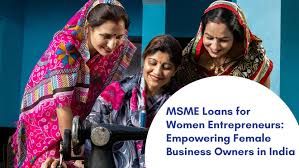
여성 기업가정신은 빠르게 확장되고 있다. 2016~2023년 사이 공인 스타트업의 약 48%가 여성 주도였고, Udyam 포털 도입 이후 여성 소유 MSME 비중은 37%에 달한다. 이는 여성의 경제적 주체성과 지역경제 활성화 가능성을 보여준다.
정부 주도의 제도 개혁도 중요한 역할을 한다. 미션 샥티(Mission Shakti)는 원스톱 센터, 여성 헬프라인, 나리 아달랏, 모성급여, 보육시설, 여성 기숙사 등을 통해 안전과 역량 강화를 통합했다. MUDRA, Stand-Up India, PMEGP, MGNREGS 등은 경제 참여 경로를 넓혔고, '베티 바차오 베티 파다오'는 사회적 인식 전환을 뒷받침했다.
정치 대표성은 개선 중이지만 여전히 낮다. 2019년 총선에서 여성의 하원 의석 점유율은 14.4%로 사상 최고치를 기록했다. 2023년 제정된 여성할당법(의회·주 의회 33% 할당)은 장기적으로 정치 참여와 리더십을 전환할 잠재력을 갖는다.
가계 의사결정에서 여성의 참여는 지난 15년간 두 배 이상 증가해 80%를 넘겼다. 그러나 디지털 격차는 여전히 크다. 휴대전화 보유와 인터넷 이용의 성별 격차는 정보·서비스·경제 기회 접근을 제한한다. 이는 SDG 5의 다음 전선이다.
종합하면, 인도는 교육 격차 축소, 노동참여 확대, 여성 기업가 증가, 가계·제도적 역량 강화 등에서 실질적 진전을 이뤘다. 동시에 성폭력, 고용의 질, 고학력 여성 실업, 인구·디지털 불균형이라는 구"적 과제도 분명하다. 그럼에도 인도의 SDG 5 이행 궤적은 점진적이지만 분명히 상승 중이다. 데이터에 기반한 제도와 정책을 통해, 성평등을 선언이 아닌 측정 가능한 성과로 전환하려는 시도가 본격화되고 있다.
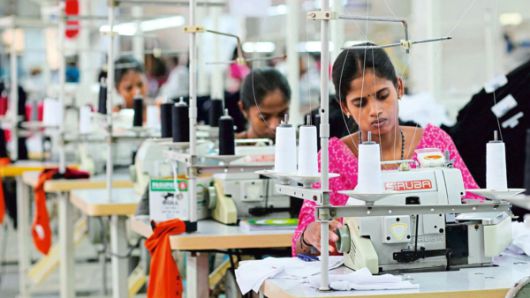 |
Female labour force participation increased by nearly 79 percent since 201718, reaching 37.1 percent in 202324, while the gender gap in participation narrowed. |
SDG 5: Growing Trajectory of Gender Equality in India
Lakhvinder Singh
Framing SDG 5 in the Indian Context
Sustainable Development Goal 5 (SDG 5) represents a core pillar of the 2030 Agenda, aiming to achieve gender equality and empower all women and girls in every country. In India, gender inequality is multidimensional, shaped by intersecting social, economic, institutional, and cultural structures. Accordingly, the SDG 5 agenda in India encompasses the elimination of discrimination and harmful practices such as child marriage and sex-selective behaviors; the prevention of violence, trafficking, and sexual exploitation; the recognition of unpaid care and domestic work; the promotion of women's leadership and participation in decision-making; access to sexual and reproductive health and rights; and the strengthening of legal and institutional frameworks that support substantive equality. This broad framing under the current political leadership reflects a shift from earlier welfare-oriented approaches under previous governments to a rights- and capability-based paradigms only, positioning gender equality as both a moral imperative and a prerequisite for inclusive development.
Monitoring Progress: India's SDG Architecture
A distinctive feature of India's SDG framework is the institutionalization of monitoring and accountability mechanisms, particularly through the SDG India Index developed by NITI Aayog. India's SDG 5 score improved from 36 in 2018 to 49 in 202324, indicating tangible progress in gender equality outcomes. This advancement has coincided with an increase in India's overall SDG score from 66 in 202021 to 71 in 202324, suggesting that gender-related gains are embedded within a broader development trajectory. While progress remains uneven across states and between rural and urban areas, the overall direction reflects a policy environment increasingly oriented toward gender-responsive governance and evidence-based interventions. Slowly but steadily, India is rising the ladder of gender equality
Education: Foundation of Gender Equality
Education remains one of the most significant drivers of gender equality in India. Literacy rates have steadily increased over the past seven decades, and the gender gap has narrowed, although NFHS-5 (2020) still reports male literacy about 13 percentage points higher than female literacy. More substantial progress is evident in enrolment parity. The Gender Parity Index of the Gross Enrolment Ratio shows near-equal participation across schooling levels, with female enrolment surpassing male enrolment at primary, upper primary, secondary, and higher secondary stages in recent years. This reversal reflects both improved access and shifting household attitudes toward girls' education.
Despite enrolment gains, retention remains a major concern. In 202223, dropout rates exceeded 7 percent at primary and upper primary levels and reached around 15 percent at secondary. These patterns highlight the influence of socio-economic constraints, early marriage, safety concerns, and domestic responsibilities. Addressing these barriers is essential to translating access into completion and long-term capability development. Nonetheless, female Gross Enrolment Ratios exceeding those of males across all levels in 202324 signal rising aspirations and long-term potential.
Women's Economic Participation
 |
Economic participation indicators show significant momentum. Wage indicators also improved modestly: the female-to-male earnings ratio among regular wage workers rose from 0.74 in 201819 to 0.76 in 202223. Similarly, the female-to-male labour force participation ratio for ages 1559 increased from 0.33 to 0.48. While disparities persist, these trends point to gradual consolidation of women's economic position.
Unfortunately for educated women, labour markets still remain stratified. Unemployment rates among graduate and postgraduate women are nearly double those of men, reflecting a mismatch between educational attainment and labour market demand. Occupational segregation, sectoral composition, safety and mobility constraints, and demand-side biases contribute to this outcome. Rather than negating progress, this challenge signals the need for a next-phase policy focuson job creation, gender-sensitive workplace practices, and pathways into high-growth sectors.
Another critical concern that is occupying the attention of Indian policymakers is employment quality. Over 40 percent of salaried non-agricultural workers lack paid leave, written contracts, or social security coverage, with women disproportionately affected. The persistence of informality highlights the importance of institutional mechanisms that connect women to social protection, labour rights, and grievance redressal system
Women's entrepreneurship has expanded significantly in recent years. Nearly 48 percent of recognized start-ups between 2016 and 2023 were women-led, and women now own 37 percent of registered MSMEs following the launch of the Udyam Portal. These trends reflect growing economic agency and the potential of women-led enterprises to reshape local economies and enhance community-level empowerment.
Institutional Reforms and Government Initiatives
Institutional reforms have played a central role in advancing SDG 5. Mission Shakti integrates safety and empowerment through services such as One Stop Centres, women's helplines, Nari Adalats, maternity benefits, crches, and hostels. Complementary initiatives addressing workplace harassment, trafficking, emergency response, health, and nutrition contribute to an enabling ecosystem. Economic empowerment schemes such as MUDRA, Stand-Up India, PMEGP, and MGNREGS expand pathways to productive work, while Beti Bachao Beti Padhao strengthens the social foundations of gender equality.
Women's political representation has also improved, though it remains limited. In 2019, women secured 14.4 percent of Lok Sabha seats, the highest level to date. The Women's Reservation Act (2023), which mandates 33 percent reservation for women in Parliament and state legislatures (subject to census and delimitation), holds the potential to transform women's political participation and leadership in the long term.
Women's participation in household decision-making has doubled over the past 15 years, with more than 80 percent of women now reporting involvement in key decisions. However, digital exclusion persists, with limited mobile phone ownership and low internet use among women in many states. Bridging this digital divide is essential for expanding women's access to information, services, and economic opportunities.
Sum up: Assessing the Trajectory of SDG 5
Overall, evidence indicates that India has made substantial progress toward SDG 5, particularly in education parity, labour force participation, entrepreneurship, household agency, and institutional support for women's safety and empowerment. Persistent challengesincluding gender-based violence, employment quality deficits, educated women's unemployment, demographic imbalances, and digital exclusionremain important policy priorities. Nevertheless, the overarching trajectory is positive. India is gradually building a comprehensive, data-informed, and institutionally grounded gender equality architecture capable of translating policy intent into measurable and scalable outcomes.
 |
<라크빈더 싱 박사 약력>
- 서울 아시아 연구소의 아시아 안보 연구부 소장
- 성균관대학교 한국학 박사
- 뉴델리 자와할랄 네루대학교 국제정치학 박사
< Copyright SDG뉴스 >
 이 기사의 카테고리는 언론사의 분류를 따릅니다.