 |
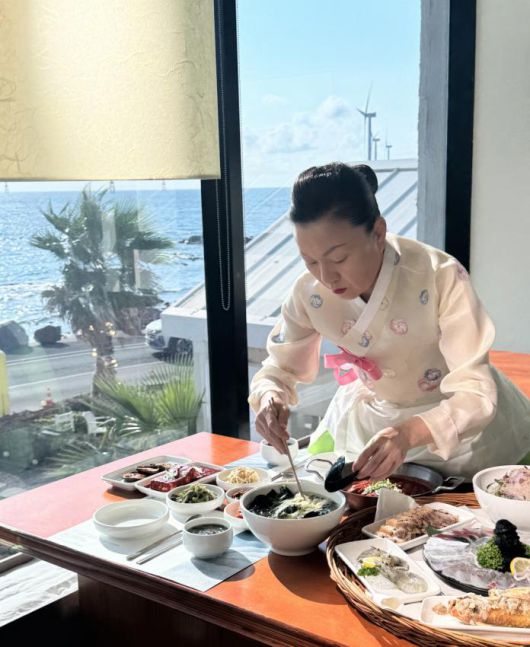
Chef Kim Mi-ryeong prepares signature dishes of Bada Sulsang, including seafood, cold raw fish soup, and seaweed noodles, for her guests. The dazzling Aewol coast stretches outside the window beside the table. / Courtesy of Bada Sulsang |
“I first started out running a small noodle shop in the underground section of Gyeongdong Market. I always dreamed of one day opening a restaurant with a view of the ocean. Now, in Jeju Island, that dream has come true.”
Chef Kim Mi-ryeong, who gained wide recognition last year as the only Korean chef to reach the final eight in the Netflix cooking survival show “Culinary Class Wars,” is now setting the table with the flavors of Jeju Island. On September 26, she will open Bada Sulsang, a seasonal seafood restaurant on Jeju Island’s Aewol coast, where the deep blue waves roll in.
Kim is already well known in Seoul for operating the noodle house Andongjip in Gyeongdong Market and the omakase-style Korean restaurant Joyful Sulsang in Dobong-gu. Her specialty is Korean cuisine that brings out the fullest flavors of seasonal ingredients. With the conviction that “if the food comes from the heart, it will resonate in Jeju too,” she has decided to take on the island, one of the fiercest battlegrounds in Korea’s dining scene.
When visited on September 6, Bada Sulsang was already bustling with customers even before its official opening. “Every time I hear people say, ‘These days, instead of going to Jeju, I’d rather just go to Japan,’ because of rising prices, my heart feels heavy,” Kim said. “So I made a promise: keep the view luxurious, use only the best ingredients for the food, but keep prices reasonable.”
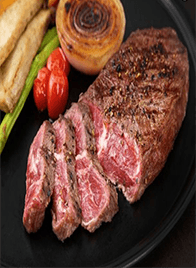
The restaurant sources fresh seafood directly from local haenyeo divers every day, serving it alongside the picturesque ocean view framed by the windows. A generous table spread, featuring seasonal sashimi, boiled pork slices, cold raw squid soup, grilled fish, and raw shrimp, costs 75,000 won for a medium portion. Guests are often surprised at the value.
“I watch my guests eat, and if I think it isn’t enough, I bring out more. Young customers are shocked and ask, ‘Don’t we have to pay extra for this?’ and I tell them, ‘Of course not, please enjoy.’ They’re so delighted, and seeing that makes me happy too,” Kim said.
One of the restaurant’s signature dishes, Seaweed Noodles, reinterprets her specialty, noodles, through a Jeju lens. Jeju is known for its pork noodles, but she wondered what noodles would be like if made with ingredients from the sea. For families with children, the dish can be served mild, while adults can add spice to taste.
Kim also wanted to preserve the essence of Korean dining. “I felt that serving only cold sashimi and seafood would leave something missing, so I decided to add warm side dishes,” she explained.
Solo diners are not forgotten either. Having run a noodle shop for over 20 years, she understands their importance and has prepared individual set meals for those dining alone. “I want everyone to feel welcome here and enjoy the taste of Jeju,” she said.
Starting her career in her early 20s by helping her mother sell noodles at Gyeongdong Market, Kim has spent nearly 30 years doing nothing but running restaurants. She describes Netflix’s “Culinary Class Wars” as a turning point in her life.
“For so long, I was too busy living to feel pride as a cook. But over the past year, seeing so many people come to taste my food has given me pride, and a deeper appreciation for the value of Korean cuisine.”
Many have joked that she should return for the second season of “Culinary Class Wars,” airing at the end of this year, as a “white spoon (veteran)” contestant. Kim demurred, saying, “I need to give others the chance. I’ll stay in my place, cheering them on, as someone who keeps cooking.”
These days, Kim splits her time between Seoul and Jeju, three days a week on the island, the rest back in Seoul running Andongjip and Joyful Sulsang. Though her relentless schedule leaves her physically exhausted, with her mouth covered in sores, yet her face remains bright with smiles.
“My body is tired, but my heart isn’t at all. What greater joy is there for a cook than being able to serve customers generously? When I see people enjoy the food and leave happy, it heals me too. That’s the biggest reward.”
Lately, she has also fallen in love with Jeju’s seasonal vegetables and plans to present a variety of side dishes made with local produce.
“Jeju is beautiful year-round, but autumn is truly abundant with delicious things. Hairtail fish are fattened, cabbages and scallions are at their peak, and fall radishes and pumpkins are unbelievably sweet and flavorful. I hope many people will come and enjoy both the taste and scenery of Jeju in autumn.”
※This article was translated by an AI tool and edited by a professional translator.
▶ 매일 라이브 경향티비, 재밌고 효과빠른 시사 소화제!
▶ 주 3일 10분 뉴스 완전 정복! 내 메일함에 점선면 구독
©경향신문(www.khan.co.kr), 무단전재 및 재배포 금지
 이 기사의 카테고리는 언론사의 분류를 따릅니다.